
Northampton Previous Residents Sources
Use one source for ownership and another for occupancy. The Hampshire Registry supplies the legal instrument trail, while Forbes Library collections can connect an address to people in a particular year. Those dates overlap unevenly, which is useful rather than a flaw. A blank in one collection is a reason to try the next source, not proof that a household disappeared. The table separates the confirmed routes for past residents in Northampton.
| Source | Years it covers | Where held | What it can show |
|---|---|---|---|
| Registry recorded documents | Deeds from 1787; practical online name/property work after 1928 | Hampshire Registry and MassLandRecords | Grantor, grantee, date, book/page, plans, legal descriptions |
| Northampton proprietor records | 1653-1835 | Registry code NOIX/NOPR | Early land and proprietor context with limited identifying index |
| City directories | 1868-69 examples, Price and Lee 1883, Blue Book 1984-85 | Forbes, Google Books, and LOC guide | Names, occupations, and address signals for a volume |
| Town and census reels | 1850 and 1857-60 local census | Forbes Hampshire Room | Dated household snapshots |
| Valuation and tax reels | 1703-1884 taxes; valuations through 1910 | Forbes Hampshire Room | Taxpayer, owner, value, land, and deed context |
For a recent address, begin with the parcel card and current deed. For an older Northampton house, move from the registry to book/page work, then to library reels and directories.
Start a Northampton Address Trail
The Northampton TigheBond property map accepts a name, address, or parcel ID. Open Parcel Details and retain the situs address, parcel ID, card number, owner name, owner mailing address, and any available sketch or legal-description clue. The situs is the physical parcel. The mailing address is only where tax correspondence goes. It is not evidence that the owner lived at the property.
The inspected card shows why this matters: a State Street situs had a different Main Street mailing address for a partnership owner. Record both labels exactly. The parcel ID and legal description keep the same property together when old records use different street wording or no street wording at all.
- Parcel ID
- A local identifier for one mapped property.
- Situs address
- The physical parcel location, which can differ from correspondence address.
- Legal description
- Deed language that identifies land by plan, lot, bounds, or book/page.
Follow Northampton Deeds Backward
The Hampshire Registry of Deeds index is the ownership backbone for previous residents research. Search Property mode with the address or legal description when available. A deed records a transfer, not every person who lived in the building. Its grantor and grantee names, recording date, book/page, document number, and legal description are nevertheless solid anchors for the next step.
- Note the current owner and legal-description clue from the parcel card.
- Find that owner as grantee on the purchase deed.
- Capture the prior seller, recording date, and book/page.
- Search that seller as an earlier grantee and compare the land description.
- For an old gap, use book/page or ask about unindexed-property material.
- Grantor
- The party transferring an interest in a recorded instrument.
- Grantee
- The party receiving that interest.
- Chain of title
- The sequence of recorded transfers followed backward.
Note: A deed establishes a recorded transfer. It does not list every person who lived at a Northampton address.
Northampton's Pre-1928 Deed Route
Older work needs another method. The registry describes recorded land back to 1787, but practical online name and property searching is strongest from 1928 forward. Pre-1928 images are often reached with book/page through the unindexed property search, including books 1-1024. Books 936 and earlier also lack street and marginal-reference fields in the index segment. An address-only query can stop too soon.
The registry's Northampton proprietor records add an early route. They span 1653-1835 under codes NOIX/NOPR, though identifying information is limited. Combine those books with a deed reference, not a guessed modern street number. Forbes reels 13A, 15K, and 149 are the local follow-up route when the online index ends.
The Registry search instructions explain name, property, document, book, and date modes. They help distinguish a missing web index from a missing instrument.
Pair Northampton Directories and Census
Past residents become clearer when the legal trail is paired with a household source. Start with the exact address and street spelling in a reverse or criss-cross volume when one exists. Then search the surname in that year's alphabetic section. Record the volume year, occupation, address, and only abbreviations actually printed in that volume. A directory entry is an occupancy signal for that year, not proof of ownership or family relationship.
- Place the directory year beside the nearest available census year, retaining each source's reference date.
- Track first and last appearance, spelling, occupation, and stated moves.
- Test an apparent move against a deed, assessor card, Gazette notice, probate filing, or permit.
- Use an old legal description or map when the address seems to change.
The confirmed anchors are 1868-69 examples, the 1883 Price and Lee volume, and the 1984-85 Blue Book. The whole run is not confirmed as continuous. See the Northampton city directory reference for collection access.
Forbes Reels for Past Residents
Forbes Library's Hampshire Room is the local bridge when an online deed or directory search ends. Appointments are recommended. Its microfilm includes voter lists from 1803-1876 and local census material from 1850 and 1857-60 on reel 138. Reels 146 and 147 preserve tax assessment and poll material, while reel 188 carries valuation-list segments through 1910.
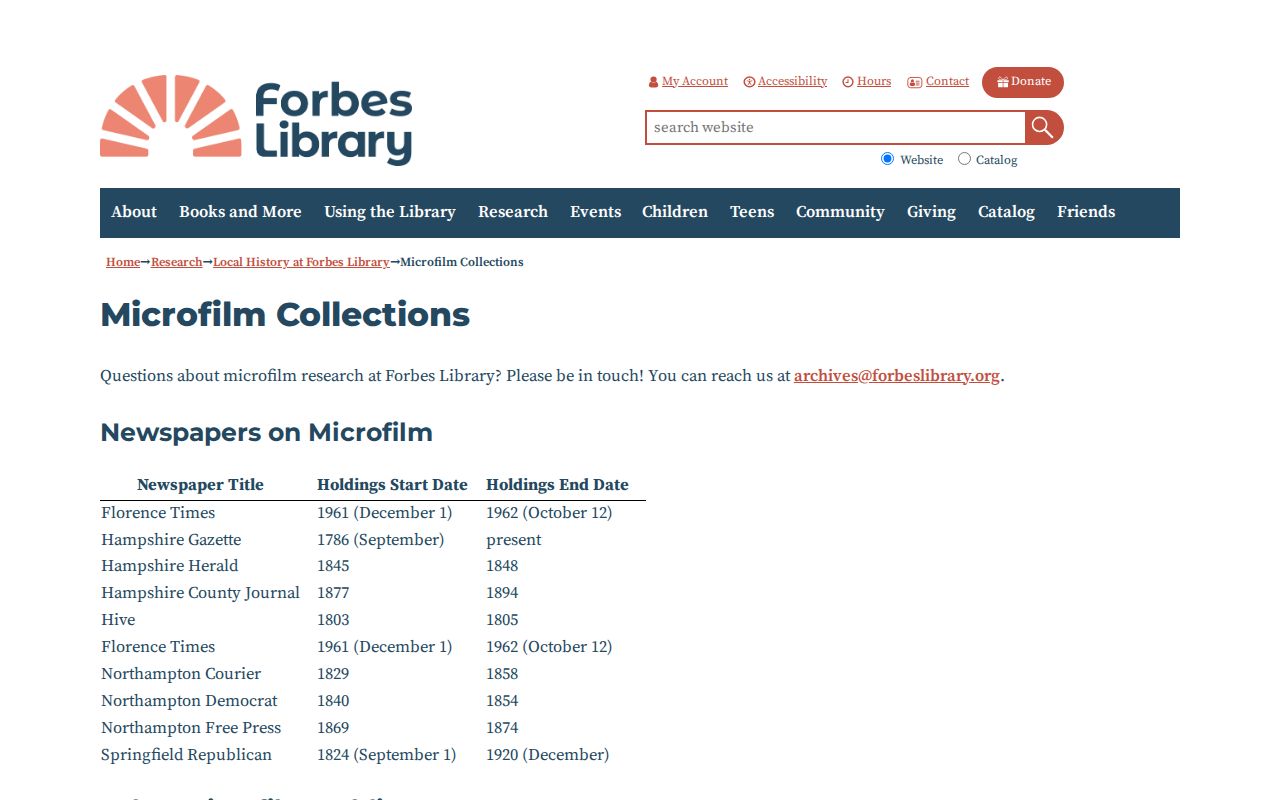
The microfilm collections listing helps set a focused visit. Ask for address-indexed directories, valuation books, Gazette notices, deed material, and Judd Manuscript references for the target date. A tax or valuation list can support a taxpayer or owner connection, but it is not a full occupant roll.
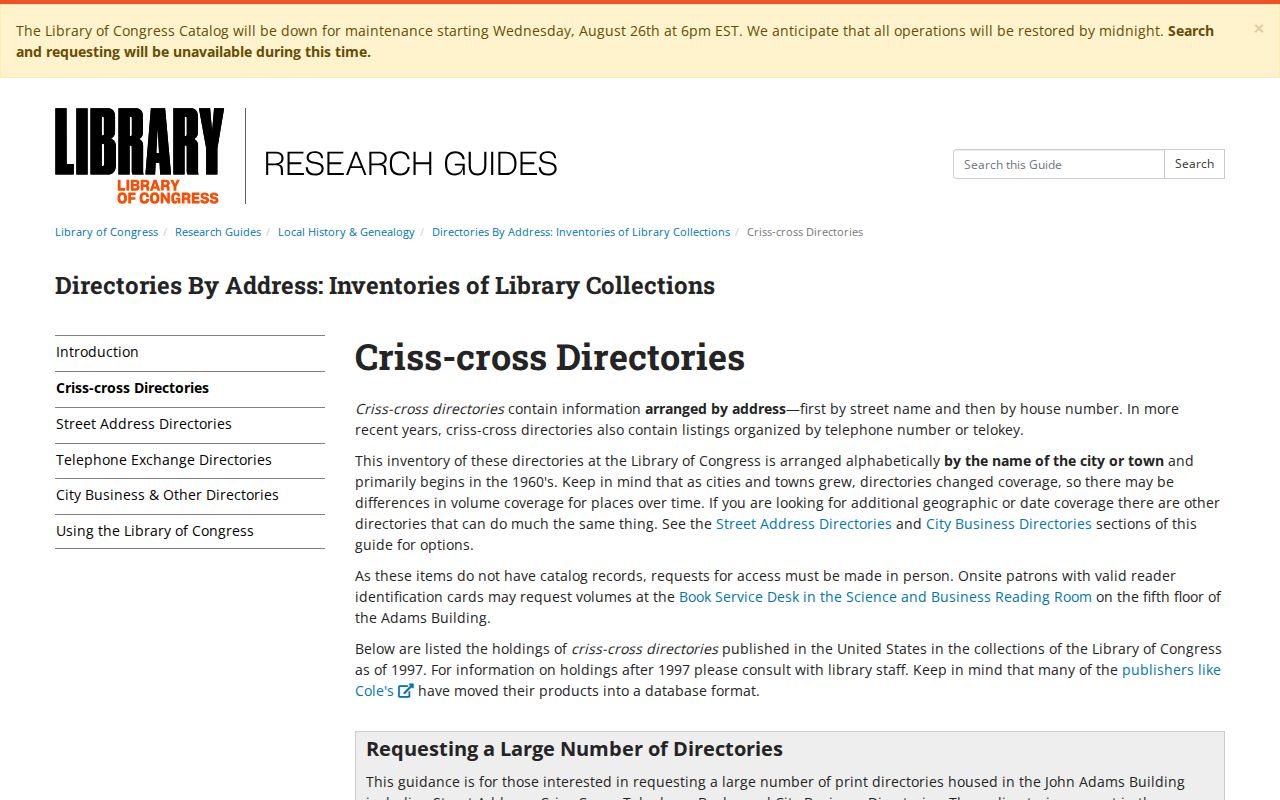
For a visual check of the confirmed reverse-directory reference, see the Library of Congress criss-cross guide.
Northampton Directory Research Example
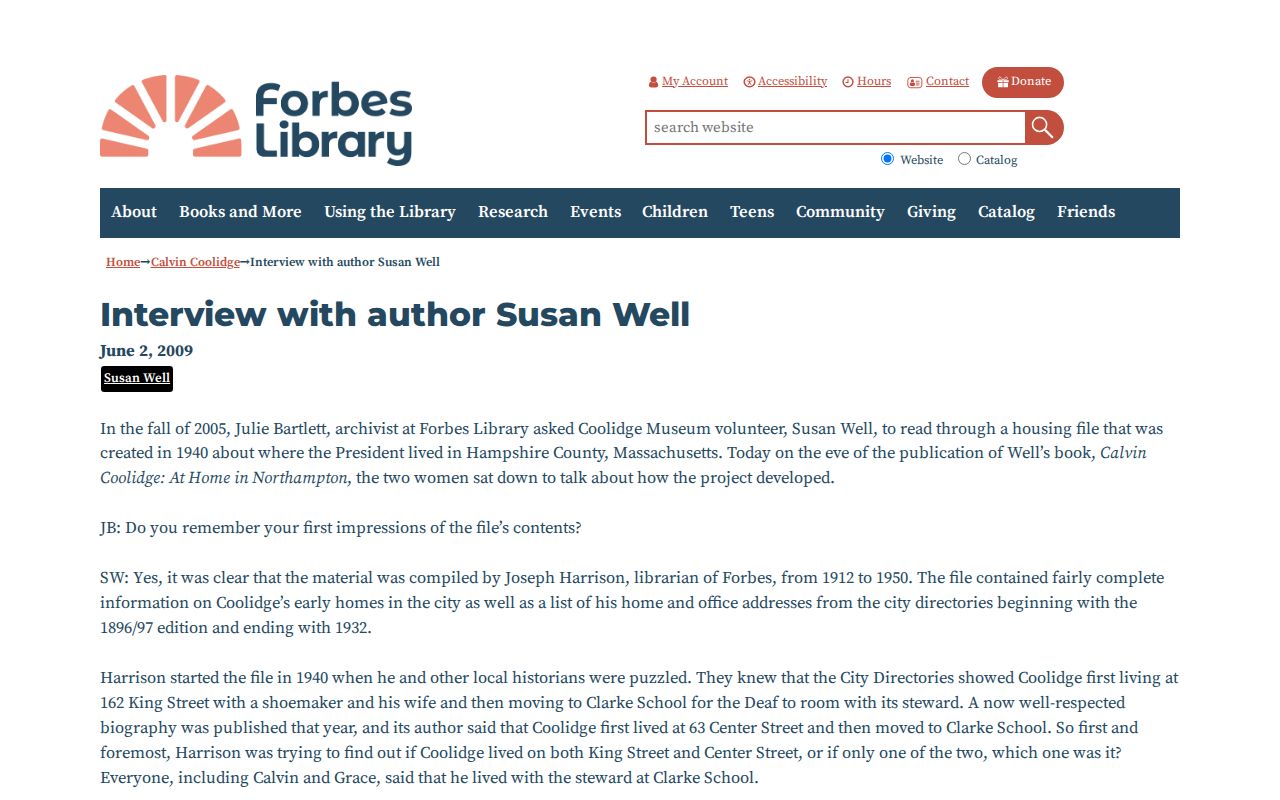
Forbes documented a local Coolidge research example that used directory addresses from 1895-96 and volumes through 1932. That kind of run can resolve a conflict between a family account and a later deed, provided every volume is cited by year. Compare before and after a target date rather than treating one printed entry as the whole story.
The Forbes directory research note illustrates this address work. It supports careful sequencing, not assumptions about ownership.
Forbes presents the example at its Coolidge directory research note.
Northampton Permit and Probate Clues
Permit records can date a construction project, addition, inspection, or plan submission. They do not prove a sale or household move. The Northampton permits page directs post-March 2023 work to OpenGov by address under Locations or by record ID under Records. Files may contain plans. Earlier records remain on a legacy route, so retain the portal split in the research log.
At the other end of a trail, the Hampshire Gazette and probate can supply a death notice, relatives, executor, or last-known-address clue. Probate online cases reach back to 2000 and documents generally to 2009. Older files and restricted categories need the register, terminal, or archival route.
Forbes lists the supporting material on its local-history microfilm page.
Respect Northampton Past Residents
Previous residents research fits family history, estate matters, historic-property curiosity, and careful record reconciliation. Modern vital records, protected voter records, sealed court material, DMV data, utility information, and non-owner household details are not opened by a parcel map or deed index. The Massachusetts Address Confidentiality Program and confidential-voter rules can shield an address from release.
Keep a source log for each past-resident finding. Record the exact street spelling, the date covered, the repository, and the page, book, reel, or document number. A person can appear in a directory before buying a property, disappear because a volume skipped a year, or be indexed under a business or spelling variant. Old Northampton searches often work best when a parcel ID, legal description, directory year, and probate or Gazette date agree with each other. Treat a mismatch as a prompt to inspect another record, not an invitation to join two people with the same name.
Lawful use. Use Northampton address history for legitimate personal research, and never use a record trail to watch, harass, threaten, or harm a living person.
A targeted Northampton public-records request can identify the responsible department for a nonexempt city record. The City form states an initial written response within 10 business days.
Northampton Address Changes Need Proof
Northampton research did not locate an official citywide street-renumbering or annexation schedule. Do not invent one when an old number fails to match a modern map. Compare the source's spelling with its date, then bridge the records with the parcel, plan, legal description, old directory wording, and historic maps. Florence and Leeds may also appear as their own mailing places even though they are within Northampton municipal geography. A postal label is not a substitute for the property identity used in a deed. This careful check helps distinguish a true move from a changed description of the same address.